

Celestial Beauty: A Guide to Nebulas
When it comes to celestial beauty, few phenomena capture the imagination quite like nebulas. These vast clouds of dust, hydrogen, helium, and other gases are the birthplaces of stars and hold the secrets to the universe's evolution. Let's delve into the mesmerizing world of nebulas and explore their awe-inspiring beauty.
Types of Nebulas
Nebulas come in various forms, each with its unique characteristics:
- Emission Nebulas: These nebulas emit light due to the energizing of their gases by nearby stars.
- Reflection Nebulas: These nebulas reflect the light of nearby stars, creating stunning blue hues.
- Planetary Nebulas: The remnants of dying stars, planetary nebulas exhibit intricate shapes and colors.
- Dark Nebulas: These dense clouds of gas and dust obscure the light from objects behind them, creating striking silhouettes.
Exploring Nebula Galore
One of the most famous nebulas is the Orion Nebula, located in the Orion constellation. Its vibrant colors and intricate details make it a favorite among stargazers and astronomers alike.
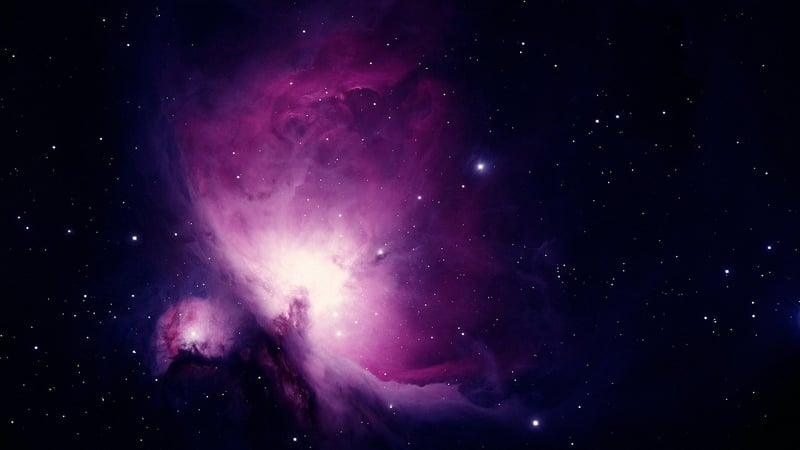
Another stunning example is the Lobster Nebula (NGC 6357). This nebula, with its intricate shape resembling a lobster's claw, showcases the beauty and complexity of these cosmic wonders.
For those fascinated by the sheer scale of nebulas, the Carina Nebula is a must-see. Located in the Carina constellation, this colossal nebula spans over 300 light-years and dazzles with its intricate structures.

Conclusion
Nebulas are not just astronomical objects; they are cosmic works of art that inspire wonder and curiosity. Whether you're an avid stargazer or simply appreciate the beauty of the universe, exploring the diversity of nebulas is a rewarding experience. So, grab your telescope or visit a planetarium to witness the breathtaking beauty of these celestial wonders.